




Visiting a care home for the first time can feel overwhelming. Everywhere will tell you they offer warm, welcoming, person-centred care. So how do you actually tell the difference between a home that lives up to that and one that just says it?
Here is what we would tell a friend to look for, wherever in Central Bedfordshire they end up visiting.
Before you go
A little preparation makes the visit itself far more useful:
- Check the home's current CQC rating online before you arrive, so you can ask informed questions rather than starting from scratch
- Try to visit at a normal time of day, such as mid-morning or around a mealtime, rather than only during a specially arranged tour
- Bring a list of questions written down. It is easy to forget half of them once you are there
- If possible, visit more than once, and try an unannounced second visit if the home allows it
What happens the moment you walk in
Notice how you are greeted, and by whom. Are staff making eye contact with residents as they pass, using names, stopping for a moment to chat? At Marigold House, our reception walls are lined with old photographs of Leighton Buzzard. It is a small thing, but it tells you something: this home sees itself as part of the town, not separate from it.
How staff speak about residents
Listen for whether staff talk about residents as people, by name, with detail: what they like, what makes them laugh, what they used to do for work. If a member of staff can tell you that someone takes their tea with two sugars or gets nervous around new faces, that is a good sign of real, consistent care, not just a rota being filled.
Questions worth asking staff directly
- How long have most of your team worked here?
- How do you get to know a new resident's routines and preferences?
- What happens if my parent's needs change after they move in?
- How are family members kept updated day to day?
- What does a typical day actually look like here?
Ask about staff turnover
This is one of the most telling questions you can ask, and one that many families never think to. High staff turnover usually means agency workers filling shifts, which makes it harder for anyone to really know your loved one. Ask how long the team has generally been there. At our homes, many of our staff live locally and have stayed with us since opening, which matters more than most brochures let on.
Look at the CQC rating, and ask what it means
The Care Quality Commission, or CQC, is the independent body that inspects and rates care homes in England. Every home should be able to show you its current rating and talk you through the most recent inspection report, not just point at a certificate on the wall. You can also check ratings yourself on the CQC website before or after your visit. Do not be afraid to ask direct questions about anything in the report you do not understand.
Try the food, not just the menu
Ask if you can see or try a meal during your visit. Menus can look impressive on paper. What matters is whether the food is fresh, whether people seem to enjoy it, and whether there are proper options for different needs and tastes.
Look for life beyond the bedroom
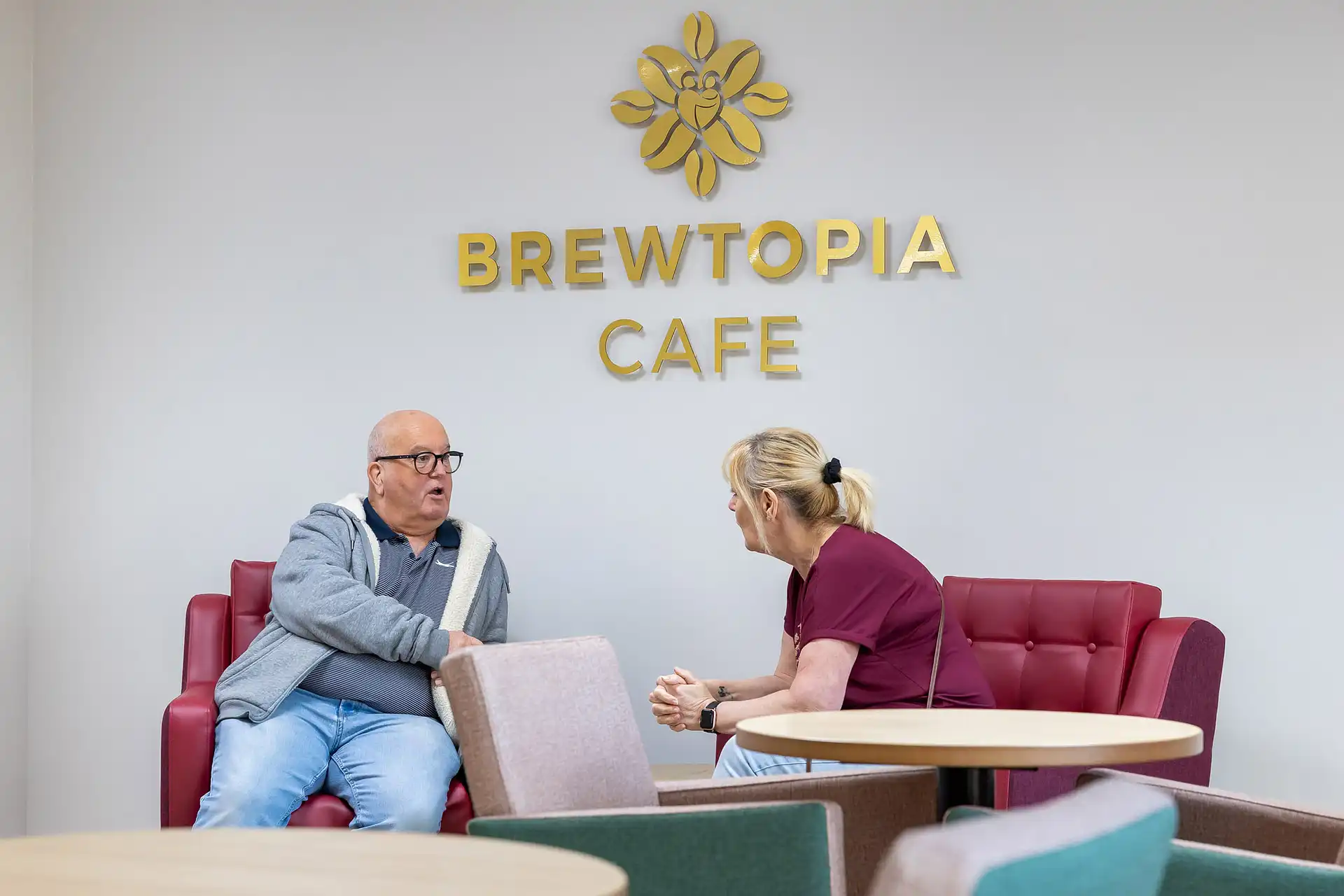
A good home should feel like somewhere with things actually happening: gardens being used, activities that are more than a token session, communal spaces that feel lived in rather than showroom-tidy. At Red Kite Meadows, our coffee shop and hairdresser are open to the public, so you will often find buggies parked next to mobility scooters. That mix of ages and life is not something you can fake for a visit.
A few gentle red flags
None of these alone should rule a home out, but taken together they are worth paying attention to:
- A strong smell that staff seem unaware of, or explain away
- Residents who appear unoccupied or unengaged for long stretches during your visit
- Staff who cannot answer basic questions about fees, staffing levels or the CQC report
- A rushed or reluctant response when you ask about a second visit
- Vague answers about what happens if care needs increase over time
Ask what the fee actually includes
Get a clear answer on what is covered in the weekly fee, room, meals, activities and care, and what, if anything, sits outside it. Anyone who cannot give you a straight answer on this is worth a second thought.
The families who ask the most questions are usually the ones who end up feeling most confident in their decision. We would always rather someone asked us something twice than went away unsure. If a home cannot answer your questions clearly on a visit, that tells you something too. — Care Team, Marigold House
Trust how it feels, as well as what you see
Beyond the checklist, pay attention to your own reaction. Would you feel comfortable leaving someone you love here on a difficult day, not just a good one? That instinct is usually worth listening to.
Ready to arrange a visit?
We welcome visits at Marigold House in Leighton Buzzard and Honeysuckle House at Red Kite Meadows in Flitwick, with no pressure and no obligation.
Call us on 01234 385640 or make a care enquiry through our website to arrange a time that suits you.

Registered Office
Honeysuckle House
Red Kite Road
Flitwick
MK45 1UZ

